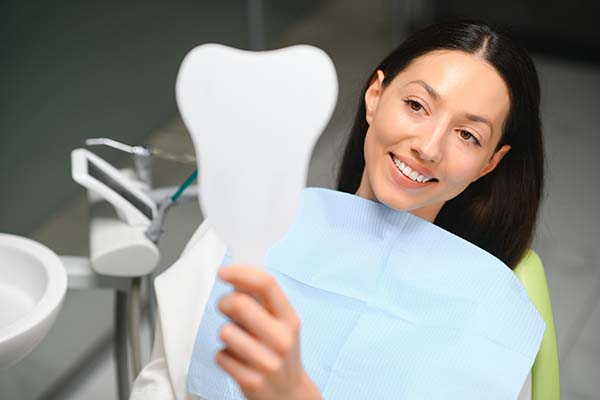
Dental implants are oral prosthetics that are highly recommended by dentists when it comes to replacing missing teeth. Implants serve as artificial teeth roots that are surgically inserted into your jawbone. It takes over the role of the root that falls out when a tooth comes off, passing bite forces into the jawbone so it gets the stimulation it needs. Dental implants fuse with bone tissues around them through osseointegration, making them as stable as real tooth roots.
8 FAQs about dental implants and implant surgery
Thinking about replacing one or more of your missing teeth with implants? Here are the answers to some questions you might have:
1. Can anyone get implants surgically placed in their jaw?
Unfortunately, not all patients are eligible for implants. Inserting an implant into a patient's jawbone involves surgical procedures, like making an incision into the patient's jaw and drilling a hole into bone tissues.
Such procedures require patients to be healthy enough to recover afterward. Patients with health conditions like immune system disorders or diabetes might not be eligible for implants because they might have a harder time recovering. The same can be said about people who smoke or consume alcohol regularly.
2. What type of dentist installs implants?
Implants can be installed by any dentist who has been trained for the procedure, but it is best left in the hands of oral professionals who have additional training in performing dental surgeries like oral surgeons or periodontists. These professionals have a better understanding of the mouth and facial structures, often leading to a better experience for patients.
3. Does getting implants hurt?
A local anesthetic is injected into the area being worked on, so patients do not feel pain during their treatment. They only feel the periodontist applying pressure as they perform the procedure. Patients might experience pain and discomfort afterward when the anesthetic wears off. This can be managed with prescription or over-the-counter painkillers. The worst of it should be over within a few days.
4. How long does it take to complete the process?
The standard way of getting dental implants can take up to six months. This is about the time it takes for bone tissues around the implant to fuse with it. The process is called osseointegration, and restorations are typically attached to implants after it has been completed.
There are exceptions to this, though. Special types of implants such as same-day-implants are fitted with restorations the same day that they are inserted into the jaw. It is then up to the patient to avoid dislodging the implant as they wait for the process of osseointegration to be completed.
5. Are there any risks associated with getting dental implants?
Like with any surgical procedure, there are some risks involved with getting dental implants. The most common complication is an infection at the site of surgery. This can be treated with antibiotics. Other risks include nerve damage (which can lead to numb lips and gums), sinus problems if the implant protrudes into one of the sinus cavities, and damage to nearby teeth.
6. Are there any alternatives to getting dental implants?
The next best thing to implants are dental bridges. Bridges are false teeth that are held in place by being attached to the healthy teeth on either side of the gap left by the missing tooth. Bridges are not as durable as implants; they must be replaced every five to seven years. They are also not suitable for everyone. The health of the surrounding teeth must be good enough to support the bridge, and there must be enough space between those teeth.
7. How can I take care of my dental implants?
Brushing and flossing regularly is key to keeping your implants clean and free of bacteria. You should also visit a dentist twice a year for checkups and cleanings. Like natural teeth, plaque and tartar can build up around implants, leading to gum disease.
8. Will my dental insurance cover the cost of dental implants?
It depends on the dental insurance company and the type of policy you have. Some companies consider implants a cosmetic procedure and will not cover the cost. Others might cover a portion of the cost. It is best to check with your insurance provider to see if they offer any coverage for implants.
Ready to get started with dental implants?
Dental implants look and feel just like real teeth and do not require specialized maintenance. It is easy to forget that you have an artificial tooth when you choose implants. Contact our dental clinic today to learn more about these oral restorations.
Request an appointment here: https://corderoperiodontics.com or call Rafael E. Cordero, DDS PA at (561) 437-3707 for an appointment in our Palm Beach Gardens office.
Check out what others are saying about our dental services on Yelp: Dental Implants in Palm Beach Gardens, FL.
Recent Posts
Dental implants provide a long-lasting, natural-looking solution for missing teeth, helping restore both your smile and self-confidence. Missing teeth can affect more than just your appearance—they can impact how you speak, eat, and feel about yourself. Many patients choose dental implant surgery in Palm Beach Gardens to regain a complete, confident smile. This advanced treatment…
Dental implants provide a durable, natural-looking solution for missing teeth, but their long-term success depends on proper care. While the titanium posts are strong, the surrounding gum and bone tissue must remain healthy to prevent complications. Through osseointegration, implants function like natural tooth roots, supporting crowns, bridges, or full-arch restorations. Maintaining oral hygiene and monitoring…
Preparing for dental implant recovery is just as important as getting ready for the dental implants themselves. A good recovery sets the stage for successful implants that can last the rest of your life, with few additional changes or fixes. Here is what to expect after a dental implant procedure so you can adjust your…
It is common for people to be self-conscious about their smile, and many do not realize just how big of an impact that expert implant dentistry can have. Implants provide functional and aesthetic benefits that other restorations cannot achieve. The implant process is more in-depth than options like dentures, so the overall outcome is also…