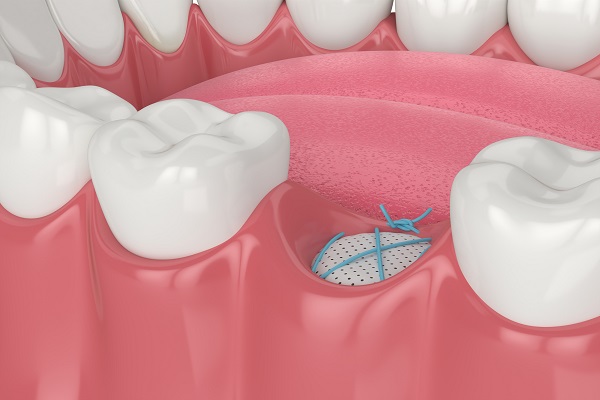
Your dentist or oral surgeon may recommend socket preservation grafting after tooth extraction as a way to prevent teeth shifting, bone loss, and other concerns that may affect your oral health function and appearance. This review provides insights into who makes an ideal candidate for socket preservation grafting and why you should consider it after tooth extraction.
When to consider socket preservation grafting
The best way to determine whether you are a good candidate for socket preservation is to discuss the treatment option with a dentist or an oral surgeon. However, understanding more about the purpose of socket preservation grafting, what it is used to treat, and potential risks that are involved can help you decide if it is worth pursuing.
The purpose of socket preservation grafting
Since teeth are secured by the jawbone and gums, there is unfilled space in the jawbone after tooth extraction. The purpose of socket preservation grafting is to preserve the socket that a natural tooth root once occupied. This is particularly important if the patient intends to replace the missing tooth with a dental implant, dental bridge, or traditional denture (complete or partial).
Otherwise, the patient may be required to go through a more extensive bone grafting procedure before dental implant placement, or the jaw bone and gums may begin to recede, making traditional dentures and dental bridges less comfortable and less attractive.
The ideal candidate for the treatment procedure
Dentists and oral surgeons often recommend socket preservation grafting after tooth extraction to ensure bone tissue loss in the jaw does not occur, to prevent gum recession, and to ensure teeth do not shift before an implant, bridge, or denture is placed to fill the extra space. Every patient who goes through a tooth extraction procedure or loses their teeth naturally or by way of a dental accident should consider socket preservation grafting to ensure concerns do not develop.
The potential risks of socket preservation grafting
As is the case with any dental or medical procedure, there are some risks of socket preservation grafting. The procedure may increase the risk of an oral infection during the recovery process if the mouth is not kept clean (see below). Also, blood clots and nerve damage could occur, along with potential anesthesia concerns. However, the risks of any complications are very small and almost all have a successful treatment and recovery experience.
Recovering after socket preservation grafting
To ensure a healthy and more comfortable recovery, be sure to keep the mouth clean by brushing and using mouthwash as directed, along with limiting foods and drinks that are high in sugar. If any complications develop, let your dental professional know as soon as possible.
We offer socket preservation grafting
Here at our practice, we offer socket preservation grafting for patients who have recently received or are in need of tooth extraction. Feel free to contact us to arrange a time to meet with our friendly team, during which we can determine if you are an ideal candidate for this procedure.
Request an appointment here: https://corderoperiodontics.com or call Rafael E. Cordero, DDS PA at (561) 437-3707 for an appointment in our Palm Beach Gardens office.
Check out what others are saying about our services on Yelp: Read our Yelp reviews.
Recent Posts
Gum grafting is a specialized treatment that restores receding gums, protects tooth roots, and helps prevent long-term dental problems. If you’ve noticed your gums pulling back or your teeth looking longer, it may be time to visit a periodontist in Loxahatchee, FL. Gum grafting is a common periodontal procedure used to treat gum recession and…
Dental implants provide a long-lasting, natural-looking solution for missing teeth, helping restore both your smile and self-confidence. Missing teeth can affect more than just your appearance—they can impact how you speak, eat, and feel about yourself. Many patients choose dental implant surgery in Palm Beach Gardens to regain a complete, confident smile. This advanced treatment…
Osseous surgery is a precise periodontal procedure designed to treat advanced gum disease by reshaping damaged bones and restoring a healthier foundation for your teeth.Gum disease can progress beyond what non-surgical treatments can manage, especially when infection reaches the supporting bone. For patients considering advanced care, osseous surgery in Palm Beach Gardens offers a targeted…
Gum disease can progress quietly, often without noticeable pain, until it reaches an advanced stage. For patients exploring modern treatment options, LANAP in Palm Beach Gardens offers a laser-based approach that targets infection while promoting natural healing. LANAP offers a minimally invasive, highly precise way to treat gum disease while preserving healthy tissue and supporting…