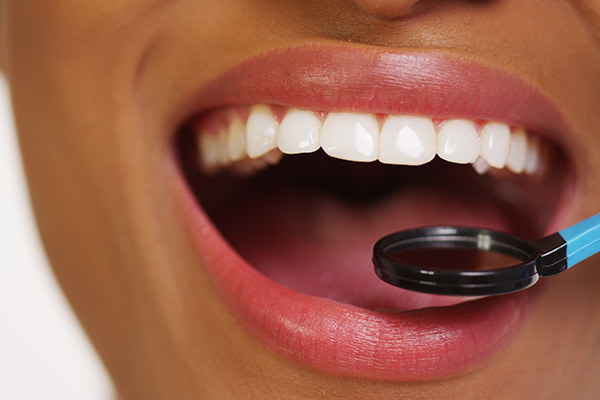
Receding gums is a condition that leads to gum tissues pulling back from teeth roots. It leaves these roots exposed to acids made by oral bacteria that cause decay. Unlike the crown of a tooth, which is protected by enamel, teeth roots have an outer layer called cementum that is not as durable as enamel. This makes teeth roots more prone to decay than the rest of a tooth when the gum tissues that usually cover them start to recede. Receding gums can be a sign of periodontal disease, and it can also be caused by other factors, like genetics or brushing too hard.
Gum disease is one of the most common reasons that people seek dental care. It develops when plaque and bacteria get beneath the gum line, infecting the tissues there. It is characterized by chronic inflammation, and it can cause permanent damage to the bone and tissue structures in the mouth that hold teeth in place.
How a dentist diagnoses and treats receding gums
Diagnosing and treating receding gums starts with the dentist going over the patient’s medical history and discussing their habits. Gum recession can be a symptom of gum disease, but it can also be caused by other things like:
- Brushing too vigorously
- Using a hard toothbrush
- Hormonal changes in women
- HIV
- Genetics
- Smoking
- Diabetes
Receding gums can also be caused by medications that dry out the mouth. Saliva helps protect teeth and gums by removing plaque and bacteria. Less saliva in the mouth makes gum tissues more prone to the infection that causes gum recession. Signs that indicate that a patient’s gum recession is caused by periodontal disease include:
- Bad breath
- Tender or inflamed gums
- Gums that bleed when stimulated
- Pain coming from the base of teeth
- Shrinking gum tissues
- Loose teeth
- Exposed teeth roots
Treatment
During a patient’s evaluation, the dentist might use a probe to measure the depths of their gum pockets. A probe is a tiny dental ruler that is inserted into the patient’s gum tissues. It should not cause any pain. Healthy gum pockets should be anywhere between 1 to 3 millimeters. Gum pockets that are deeper than that often indicate the presence of periodontal disease. Diagnostic tests like X-rays might also be used to examine underneath the gumline. Once gum disease has been detected, treatment options that a dentist might recommend include:
- Medication: Topical or oral antibiotics can be used to manage the infection in a patient’s gums
- Gum grafts: Gum grafts can be used to restore teeth roots left exposed due to receding gums; these involve using tissues from other parts of the mouth to cover exposed teeth roots
- Root scaling and planing: This extensive form of teeth cleaning involves removing tartar from teeth roots and polishing them; it can help keep the gum tissues covering teeth roots healthy
Get treatment for gum recession
Give us a call or visit our Palm Beach Gardens clinic if you notice gum tissues pulling back from your teeth. Our dentist will evaluate your gums and educate you about treatment options.
Request an appointment or call Rafael E. Cordero, DDS PA at 561-437-3707 for an appointment in our Palm Beach Gardens office.
Recent Posts
Osseous surgery is a precise periodontal procedure designed to treat advanced gum disease by reshaping damaged bones and restoring a healthier foundation for your teeth.Gum disease can progress beyond what non-surgical treatments can manage, especially when infection reaches the supporting bone. For patients considering advanced care, osseous surgery in Palm Beach Gardens offers a targeted…
Gum disease can progress quietly, often without noticeable pain, until it reaches an advanced stage. For patients exploring modern treatment options, LANAP in Palm Beach Gardens offers a laser-based approach that targets infection while promoting natural healing. LANAP offers a minimally invasive, highly precise way to treat gum disease while preserving healthy tissue and supporting…
A robust oral hygiene routine serves as the foundation for a healthy smile and gum disease prevention. When plaque and tartar accumulate along the gumline, the risk of periodontal issues increases significantly. Simple daily habits, combined with professional guidance, can significantly reduce the likelihood of gum inflammation and more serious periodontal complications. Here are simple,…