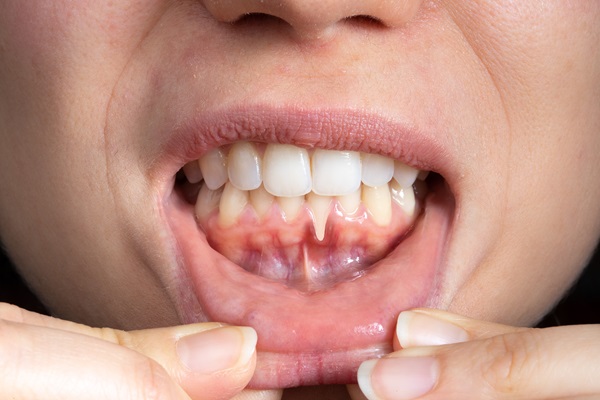
Concerned about gum recession? Read on to learn more. If your smile looks different in the mirror recently, you might want to see a periodontist. You may notice your tooth roots are showing more, your teeth seem longer, or your gums are receding. Perhaps your gums are becoming more tender and your teeth are more sensitive. These are signs of gum recession and indicate the need to see a periodontist.
When to treat gum recession
A periodontist treats gum disease and aims to restore your gum and dental health. Here are four signs that one might need a complete gum assessment from a periodontist:
Hypersensitivity to hot or cold temperatures
Periodontal disease may make teeth more sensitive to hot and cold temperatures because it exposes the teeth's roots as the gums recede. Erosion of enamel can cause increased sensitivity to temperature variations. If the discomfort is always intense when taking hot or cold food or drinks, gum recession or periodontal disease might be the issue. The increased root surface area of the tooth raises the risk of cavities and other dental health problems.
Swollen and sensitive gums
Gums that are infected and receding may be sensitive, inflamed, or red. The bacteria have invaded the gums, triggering the body’s healing response. With many adults suffering from gingivitis, this condition is quite prevalent but can go unnoticed. However, it is a major symptom of gum disease, which causes tooth loss and can worsen overall health.
Longer teeth
If the teeth seem to be getting longer, this may be the gums receding and an early sign of periodontal disease. Bacteria around the gum pockets can damage the tissue surrounding the teeth, causing the gums to recede. Patients may realize their gum line is uneven and less aesthetically pleasing. The teeth may also become more sensitive and painful.
Persistent bad breath
Chronic bad breath and a foul taste in the mouth could be symptoms associated with many bacteria within your mouth — particularly the gums. Failure to brush properly or floss will allow food particles to build up between the gums and teeth. Good oral hygiene habits can remove any debris that accumulates in the mouth after saliva breaks food down for digestion. Otherwise, plaque will quickly develop and cause more odor, as well as harm to the teeth and gums.
Steps to take
These symptoms might indicate the beginning of periodontal disease, a gum infection that damages oral tissues and causes tooth decay and loss. The disease may also cause infection of the jaw bone. Eventually, the gums may recede from the teeth, forming pockets where debris and bacteria can collect. Untreated gum disease is harmful to oral health and even general well-being. Thus, early detection is important in the fight against periodontal disease.
In conclusion
If you have noticed signs of gum recession, you should talk to a periodontist as soon as possible. The experienced dental professional will examine your gums and teeth and recommend the proper procedure to help you keep a healthy smile. They will explain different treatment options so you can make an educated decision regarding your health.
Request an appointment here: https://corderoperiodontics.com or call Rafael E. Cordero, DDS PA at (561) 437-3707 for an appointment in our Palm Beach Gardens office.
Check out what others are saying about our dental services on Yelp: Gum Disease in Palm Beach Gardens, FL.
Recent Posts
Osseous surgery is a precise periodontal procedure designed to treat advanced gum disease by reshaping damaged bones and restoring a healthier foundation for your teeth.Gum disease can progress beyond what non-surgical treatments can manage, especially when infection reaches the supporting bone. For patients considering advanced care, osseous surgery in Palm Beach Gardens offers a targeted…
Gum disease can progress quietly, often without noticeable pain, until it reaches an advanced stage. For patients exploring modern treatment options, LANAP in Palm Beach Gardens offers a laser-based approach that targets infection while promoting natural healing. LANAP offers a minimally invasive, highly precise way to treat gum disease while preserving healthy tissue and supporting…
A robust oral hygiene routine serves as the foundation for a healthy smile and gum disease prevention. When plaque and tartar accumulate along the gumline, the risk of periodontal issues increases significantly. Simple daily habits, combined with professional guidance, can significantly reduce the likelihood of gum inflammation and more serious periodontal complications. Here are simple,…
When we go to the dentist or periodontist, one of the last things that we expect to hear is that we need gum recession treatment. However, gum recession happens to many people for many reasons. When it does happen, it is important to get it treated properly as soon as possible to avoid further damage.…