Advanced Gum Disease? Osseous Surgery May Be the Answer
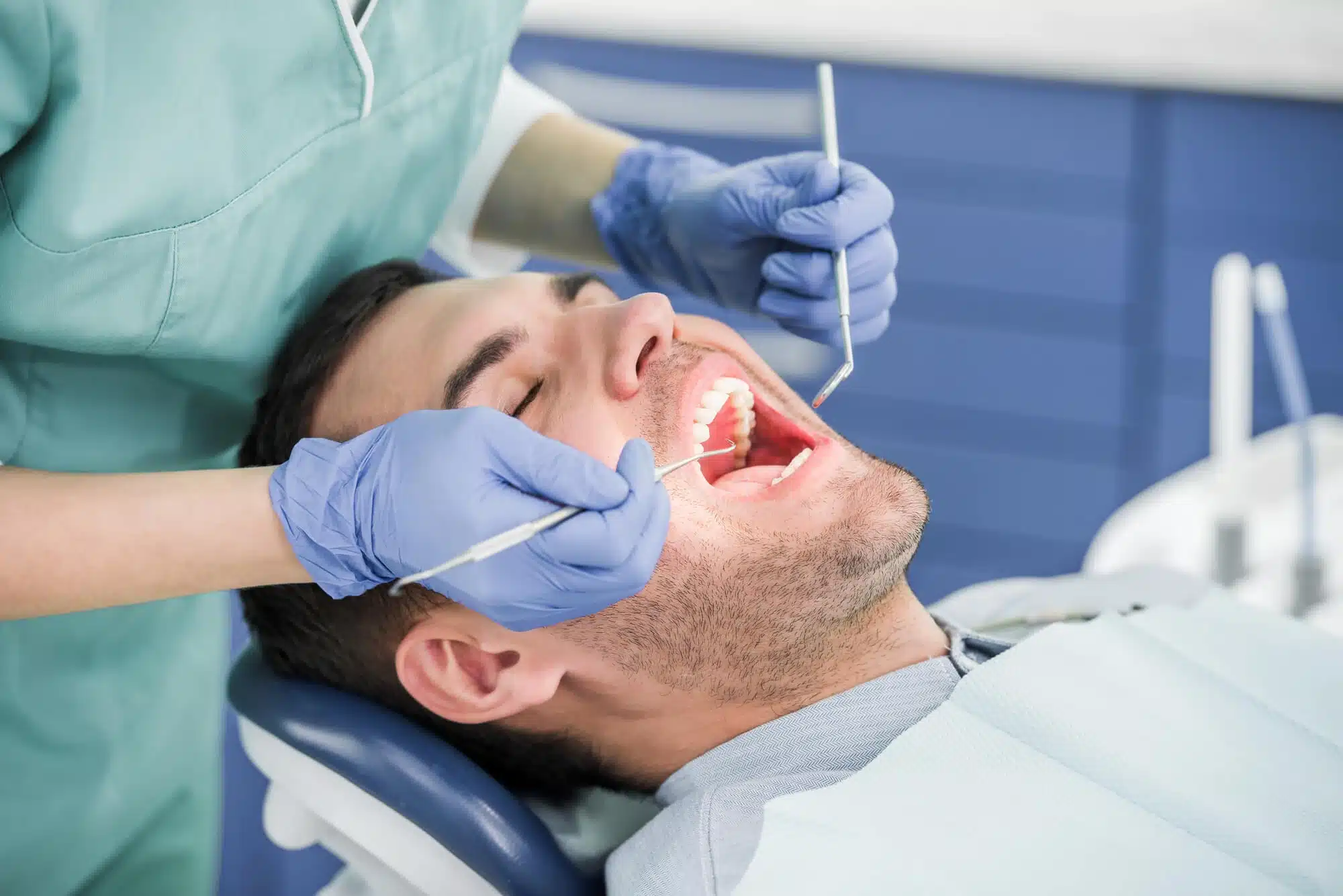
When gum disease progresses beyond what deep cleanings can fix, osseous surgery in Palm Beach Gardens may be the most effective way to save your teeth and restore gum health. This procedure reshapes damaged bone and reduces pocket depth around teeth, making it easier to keep the area clean and infection-free long term.
Many patients put off treatment out of uncertainty about what
the procedure involves, but understanding the process can ease those concerns. Here’s what to know about why it’s needed, how it works, and what recovery looks like.
Why Is Osseous Surgery Necessary?
Advanced periodontal disease causes bone loss and creates deep pockets between the gums and teeth where bacteria thrive. Regular brushing and even professional cleanings often can’t reach these deep pockets effectively.
Osseous surgery smooths irregular bone surfaces and reduces pocket depth, making it possible to keep the area clean going forward. Without this treatment, the infection can continue progressing, leading to further bone loss and eventually tooth loss.
Signs You May Need Osseous Surgery
Certain symptoms suggest that gum disease has advanced to a point where surgery may be the best option. Recognizing these signs early can help preserve more of your natural teeth and bone structure. Common indicators include:
– Gum pockets measuring 5 millimeters or deeper
– Gums that bleed easily and remain swollen despite cleanings
– Loose teeth or noticeable shifting
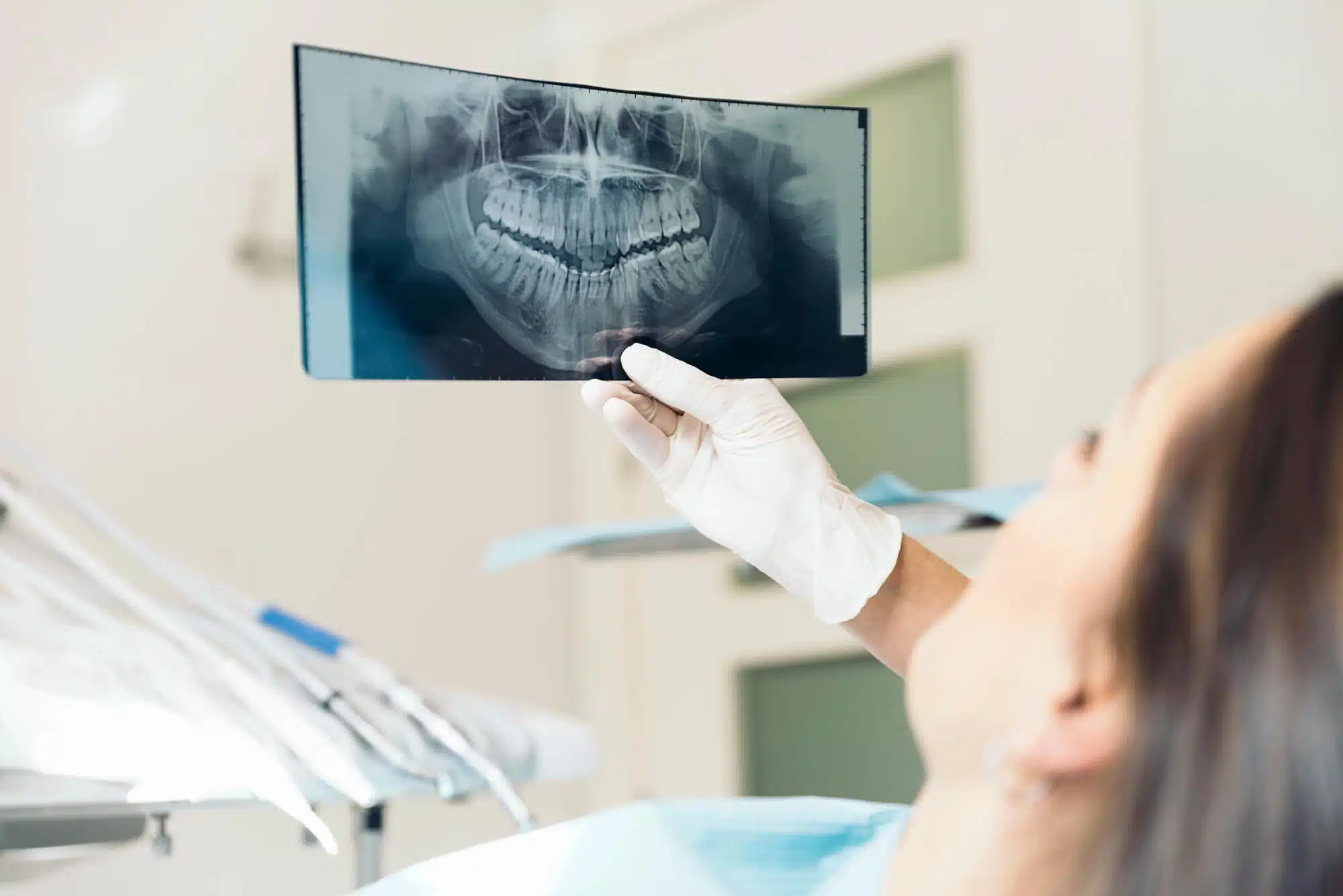
– Visible bone loss on
dental X-rays
– Gum disease that hasn’t improved with nonsurgical treatment
What Happens During the Procedure?
The procedure begins with
local anesthesia to keep you comfortable throughout treatment. The periodontist then gently lifts back the gum tissue to access the underlying bone and root surfaces.
Damaged bone is reshaped and smoothed, and any remaining bacteria or infected tissue is thoroughly removed. Once the area is clean, the gum tissue is repositioned and sutured to fit more snugly around the teeth.
What Does Recovery Involve?
Mild swelling and discomfort are common for the first few days and typically respond well to prescribed or over-the-counter pain relief. Most patients are advised to stick to
soft foods and avoid brushing the treated area directly until it heals.
Follow-up visits allow the periodontist to monitor healing and ensure the gums are reattaching properly. Full healing generally takes a few weeks, though most people return to normal routines within days.
Frequently Asked Questions
Is osseous surgery painful?
The procedure is performed under anesthesia, so discomfort during treatment is minimal. Some soreness afterward is normal and manageable with standard pain relief.
How long does recovery take?
Initial healing typically takes one to two weeks, though complete tissue healing continues for several weeks after that.
Will my teeth look different after surgery?
Some patients notice their teeth appear slightly longer due to reduced gum swelling, since healthy gums fit more closely around the teeth.

Schedule Your Osseous Surgery in Palm Beach Gardens Consultation
Letting advanced
gum disease go untreated only increases the risk of further bone and tooth loss over time. A timely evaluation can determine whether osseous surgery is the right step to protect your smile.
Dr. Rafael E. Cordero offers experienced, personalized care for patients facing advanced periodontal disease. Reach out today to
schedule a consultation and start restoring your gum health.