How Maintenance Affects the Long-Term Success of Dental Implants

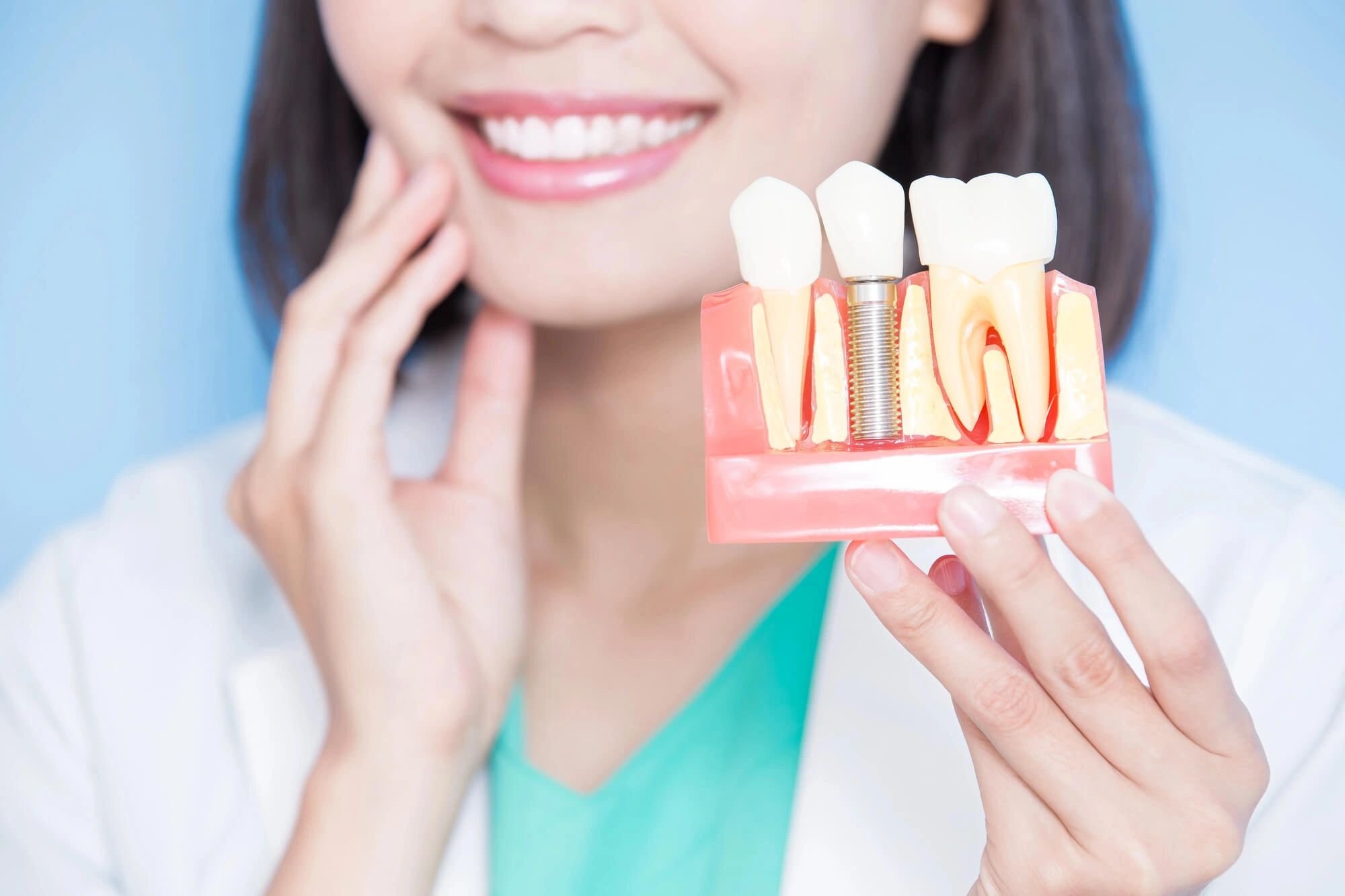
Dental implants provide a durable, natural-looking solution for missing teeth, but their long-term success depends on proper care. While the titanium posts are strong, the surrounding gum and bone tissue must remain healthy to prevent complications. Through osseointegration, implants function like natural tooth roots, supporting crowns, bridges, or full-arch restorations. Maintaining oral hygiene and monitoring tissue health helps prevent infection, preserve bone, and ensure lasting results.
Why Maintenance Matters for Long-Term Implant Success
Though dental implants are not susceptible to decay like natural teeth, the surrounding gum tissue and bone are vulnerable to inflammation, infection, and bone loss. One of the most common risks is peri-implantitis, an inflammatory condition that affects the gum and bone around the implant. If left untreated, it can lead to implant failure. Routine maintenance plays a crucial role in preventing such complications.
Benefits of maintenance include:
- Preventing plaque and tartar buildup around implants
- Protecting gum tissue from infection and inflammation
- Preserving the bone that supports the implant
- Ensuring the restoration functions properly over time
Proper maintenance combines daily oral hygiene with regular professional evaluations to safeguard the longevity of dental implants.
Daily Oral Hygiene for Implant Health
Daily oral care is essential to keep implants and surrounding tissues healthy. Patients should:
- Brush at least twice a day with a softbristled toothbrush
- Use non-abrasive toothpaste to avoid damaging the implant crown
- Floss or use specialized interdental brushes to clean between teeth and around implants
- Consider an antibacterial mouth rinse to reduce harmful bacteria and support gum health
Adopting these habits reduces the risk of gum disease and helps maintain the strength of the bone surrounding the implant.
Professional Maintenance and Checkups
Even with excellent at-home care, regular dental visits are essential. Professional cleanings remove plaque and tartar buildup that is difficult to reach at home. Additionally, checkups allow your dentist or periodontist to monitor the implant, assess bone health, and detect early signs of complications.
During maintenance appointments, your dental team may:
- Evaluate the stability of the implant
- Examine gum tissue for signs of inflammation or infection
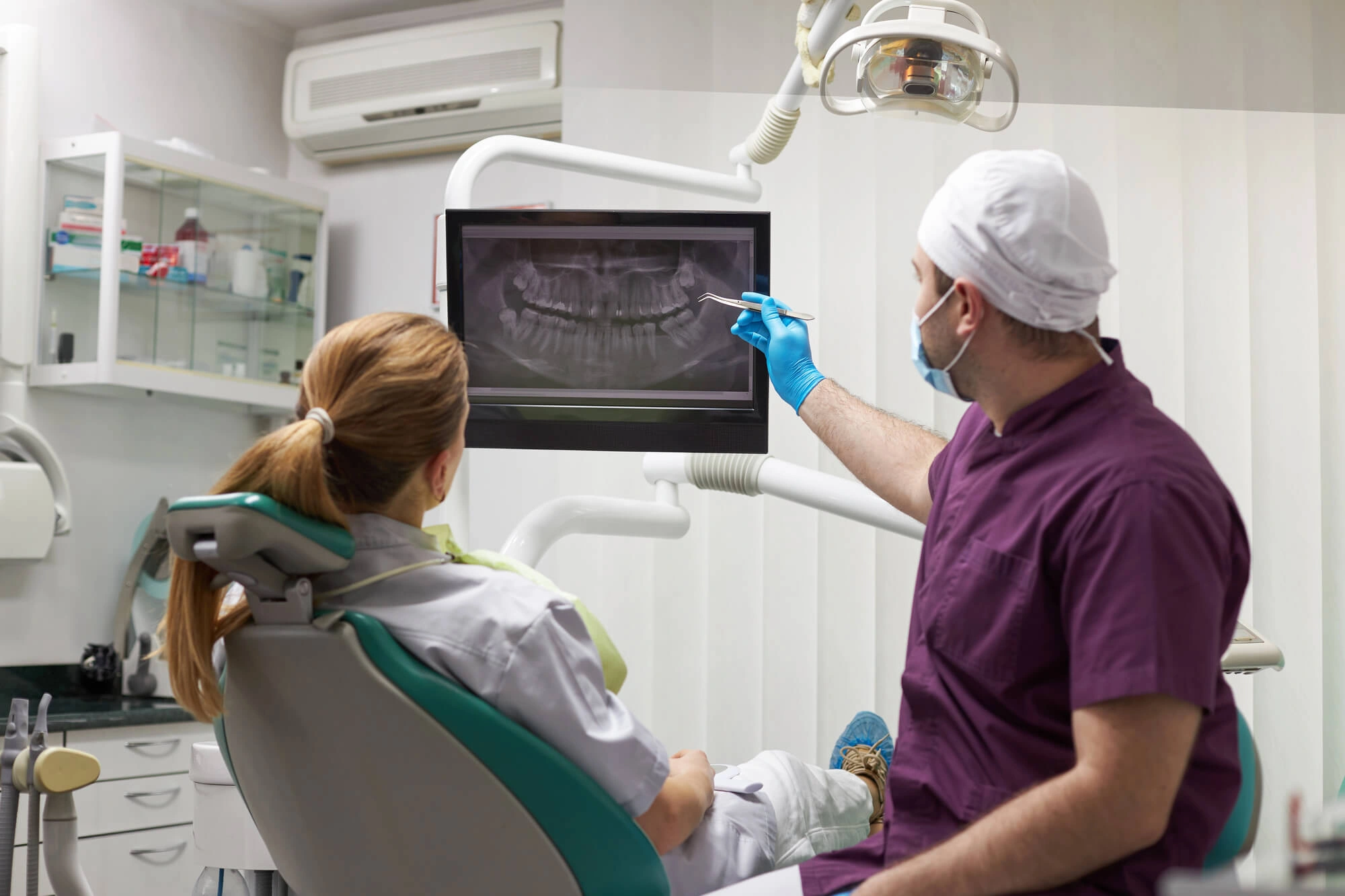
- Take X-rays or digital images to monitor bone levels
- Perform specialized cleanings around the implant to remove hidden plaque
Early detection of potential issues ensures interventions can be made before they compromise the implant.
Additional Factors That Affect Long-Term Implant Success
Several lifestyle and health factors influence how long dental implants last. Smoking, uncontrolled diabetes, and poor oral hygiene increase the likelihood of implant complications. Maintaining overall health supports proper healing and reduces risks.
Bite Alignment and Teeth Grinding
Excessive pressure from grinding or an uneven bite can place stress on implants. Protective measures, such as a custom nightguard, may be recommended to prevent damage and preserve the longevity of the restoration.
Age and Bone Density
Patients with adequate bone density typically experience higher implant success rates. In cases of bone loss, procedures such as bone grafting may be necessary before implant placement to ensure stability and long-term outcomes.
Schedule a Consultation for Dental Implants in Palm Beach Gardens
Ensuring the long-term success of dental implants in Palm Beach Gardens starts with proper care and ongoing professional support. By following a consistent oral hygiene routine, attending regular checkups, and addressing lifestyle factors, patients can enjoy the full benefits of their implants for many years. Dr. Rafael E Cordero is committed to helping patients protect their oral health and achieve lasting results. Schedule your consultation now and learn how personalized maintenance plans can maximize the longevity of your dental implants.